

Blog
How to Decorate Open Concept Living Spaces

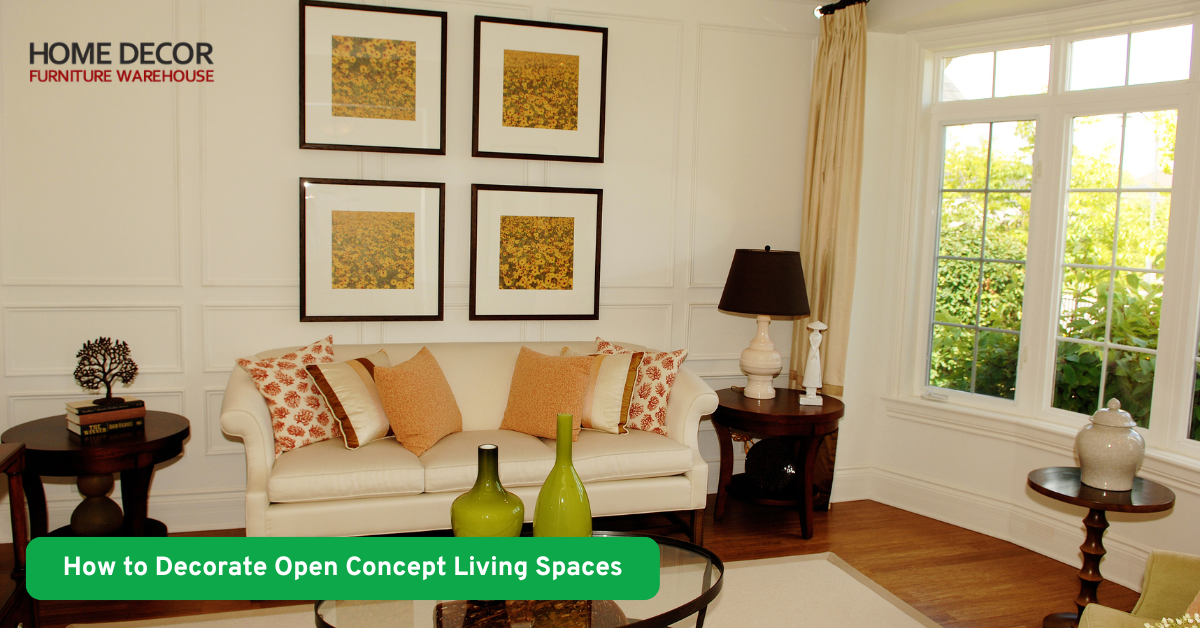
Open concept living spaces have become one of the most sought-after features in modern homes. By removing walls between the kitchen, dining room, and living room, homeowners can create a brighter, more spacious, and inviting environment. However, decorating an open floor plan can be challenging. Without clear room boundaries, it’s important to create a cohesive design while ensuring each area serves its intended purpose.
Whether you’re furnishing a new home or updating your current space, understanding how to decorate an open concept living area can help you maximize functionality, comfort, and style.
What Is an Open Concept Living Space?
An open concept layout combines multiple living areas into one large, interconnected space. Instead of separate rooms divided by walls, the kitchen, dining area, and living room flow seamlessly together.
Benefits of open concept living include:
- Increased natural light
- Better traffic flow
- Enhanced family interaction
- Improved entertaining space
- A larger and more spacious feel
- Greater flexibility in furniture arrangement
While these benefits make open floor plans attractive, thoughtful design is essential to avoid a cluttered or disorganized appearance.
Define Individual Zones Within the Space
One of the biggest challenges in decorating an open concept home is creating distinct areas without using walls.
Create Functional Zones
Your space may include:
- Living Room
- Dining Area
- Kitchen
- Home Office
- Reading Corner
- Entertainment Space
Each zone should have a clear purpose while maintaining visual harmony throughout the room.
Use Area Rugs
Area rugs are one of the easiest ways to define separate spaces.
For example:
- A large rug can anchor the living room seating area.
- A different rug can highlight a reading nook.
- The dining table can sit directly beneath a statement rug.
Rugs help establish boundaries while adding texture and warmth.
Maintain a Consistent Color Palette
A cohesive color scheme helps tie the entire space together.
Choose a Primary Color Palette
Consider using:
- Soft whites
- Warm beige tones
- Light gray shades
- Earth-inspired neutrals
- Natural wood finishes
You can introduce accent colors through:
- Throw pillows
- Artwork
- Decorative accessories
- Curtains
- Accent chairs
Consistency creates a balanced look and prevents the space from feeling visually overwhelming.
Use Furniture to Create Boundaries
Furniture placement plays a crucial role in open concept design.
Position Sofas Strategically
A sofa can naturally separate the living room from the dining area without blocking sightlines.
Add Console Tables
A console table behind a sofa can provide additional storage while helping define zones.
Incorporate Bookcases
Open shelving units can subtly divide spaces while maintaining an airy and open feel.
Furniture acts as a visual divider while preserving the openness that makes these layouts desirable.
Select the Right Furniture Scale
Oversized furniture can make an open concept room feel crowded, while furniture that is too small can appear disconnected.
Consider Proportion
Choose furniture that matches the size of your room.
Examples include:
- Sectional sofas for larger spaces
- Multi-functional coffee tables
- Extendable dining tables
- Accent chairs with clean lines
Well-proportioned furniture ensures balance and improves overall functionality.
Create a Focal Point
Every zone should have a visual anchor.
Living Room Focal Points
Popular focal points include:
- Fireplaces
- Large televisions
- Statement artwork
- Feature walls
- Decorative shelving
Dining Area Focal Points
Consider:
- Elegant chandeliers
- Statement dining tables
- Decorative mirrors
Focal points add character and help organize the visual flow of the room.
Layer Your Lighting
Lighting is one of the most important design elements in open concept homes.
Ambient Lighting
Provides general illumination throughout the space.
Task Lighting
Ideal for:
- Kitchen countertops
- Reading areas
- Home office spaces
Accent Lighting
Highlights architectural details and decorative features.
Combining different lighting types creates depth and functionality while enhancing the atmosphere.
Incorporate Multi-Functional Furniture
Modern homeowners often seek furniture that serves multiple purposes.
Popular options include:
- Storage ottomans
- Lift-top coffee tables
- Expandable dining tables
- Modular sectionals
- Storage benches
Multi-functional furniture helps maximize space while reducing clutter.
Add Texture and Visual Interest
Open spaces can sometimes feel sterile if they lack texture.
Layer Different Materials
Consider combining:
- Wood
- Metal
- Glass
- Fabric
- Stone
- Leather
Examples include:
- Wooden coffee tables
- Plush area rugs
- Linen curtains
- Decorative baskets
- Upholstered furniture
Mixing textures creates a warm and inviting environment.
Maximize Natural Light
Natural light is one of the biggest advantages of open concept living.
Keep Windows Unobstructed
Use:
- Light-filtering curtains
- Sheer drapes
- Minimal window treatments
Incorporate Mirrors
Strategically placed mirrors reflect natural light and make spaces appear larger and brighter.
A well-lit room feels more welcoming and spacious.
Keep Traffic Flow in Mind
An open floor plan should encourage easy movement throughout the home.
Avoid Blocking Walkways
Maintain clear pathways between:
- Living Room
- Kitchen
- Dining Area
- Entryways
Experts recommend leaving sufficient space around furniture to ensure comfortable navigation.
Good traffic flow enhances both functionality and comfort.
Bring Nature Indoors
Plants can soften large open spaces and add life to your décor.
Popular choices include:
- Snake Plants
- Fiddle Leaf Figs
- Monstera Plants
- Pothos
- Peace Lilies
Indoor greenery improves aesthetics while creating a calming atmosphere.
Avoid Common Open Concept Design Mistakes
When decorating an open floor plan, avoid:
- Using too many colors
- Overcrowding the room
- Ignoring lighting needs
- Choosing mismatched furniture styles
- Neglecting storage solutions
- Blocking natural traffic flow
A thoughtful design approach will help maintain a clean, organized, and cohesive appearance.
Benefits of a Well-Designed Open Concept Space
A properly decorated open concept home offers numerous advantages:
- Better family interaction
- Enhanced entertaining opportunities
- Increased natural light
- Improved functionality
- Modern aesthetic appeal
- Greater flexibility
- Increased property value
These benefits make open concept living one of the most popular home design trends today.
Final Thoughts
Decorating an open concept living space requires a balance between openness and organization. By defining zones, maintaining a cohesive color palette, selecting appropriate furniture, and incorporating layered lighting, you can create a space that is both beautiful and functional.
Whether you’re redesigning a single room or furnishing an entire home, thoughtful planning can transform your open floor plan into a comfortable and stylish living environment that meets the needs of your family and guests.
Transform Your Home with Springfield Home Decor
At Springfield Home Decor, we help homeowners create beautiful, functional living spaces with high-quality furniture, home décor, mattresses, carpets, and interior design solutions. Whether you’re furnishing an open concept home, updating your living room, or redesigning your entire interior, our experienced team is here to help.
Visit our showroom today or contact us to explore our wide selection of furniture and home décor products designed to bring comfort, style, and functionality to every room in your home.
Call Springfield Home Decor today and let us help you create the home you’ve always envisioned!
Frequently Asked Questions (FAQs)
What is the best way to define spaces in an open concept floor plan?
Area rugs, furniture placement, lighting, and decorative accents can help create distinct zones without the need for walls.
What colors work best in open concept homes?
Neutral colors such as white, beige, gray, and soft earth tones create a cohesive look and make the space feel larger and brighter.
How do I make an open concept space feel cozy?
Add texture through rugs, throw pillows, curtains, upholstered furniture, and warm lighting to create a more inviting atmosphere.
Should all furniture match in an open concept room?
Furniture does not need to match exactly, but it should complement a consistent design style and color palette.
How can I improve lighting in an open concept living space?
Use a combination of ambient, task, and accent lighting, along with natural light and mirrors, to brighten the space.
What type of furniture is best for open concept homes?
Multi-functional furniture such as sectionals, storage ottomans, expandable dining tables, and modular seating works particularly well.
Does an open concept layout increase home value?
In many markets, open concept layouts are highly desirable and can increase a home’s appeal and resale value.